A Synthetic Data Engine for Learning Open-World Mobile Manipulation
WANDA turns one human demonstration into synthetic training data for spatial generalization, long-horizon robustness, and transfer across scenes and robot embodiments.
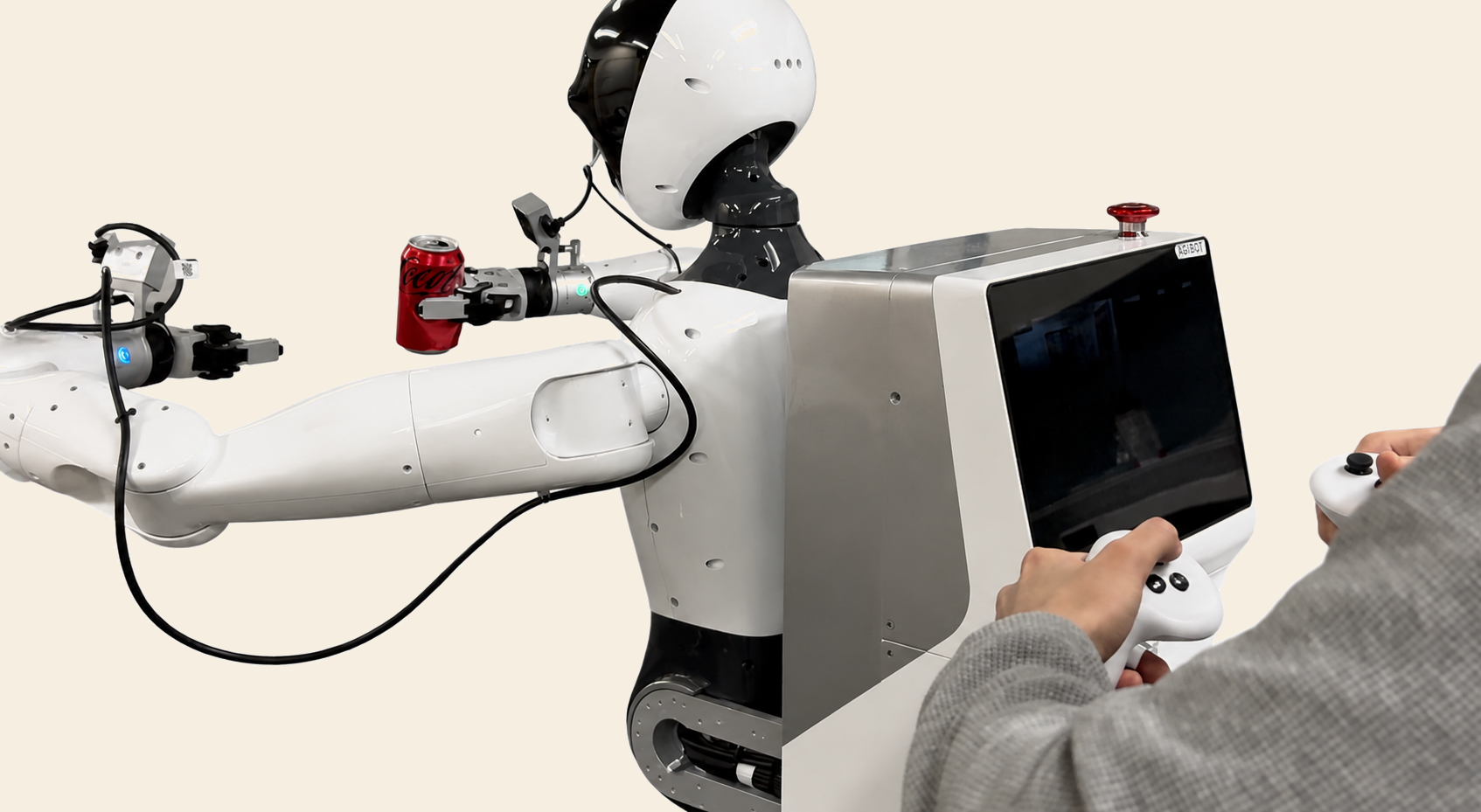
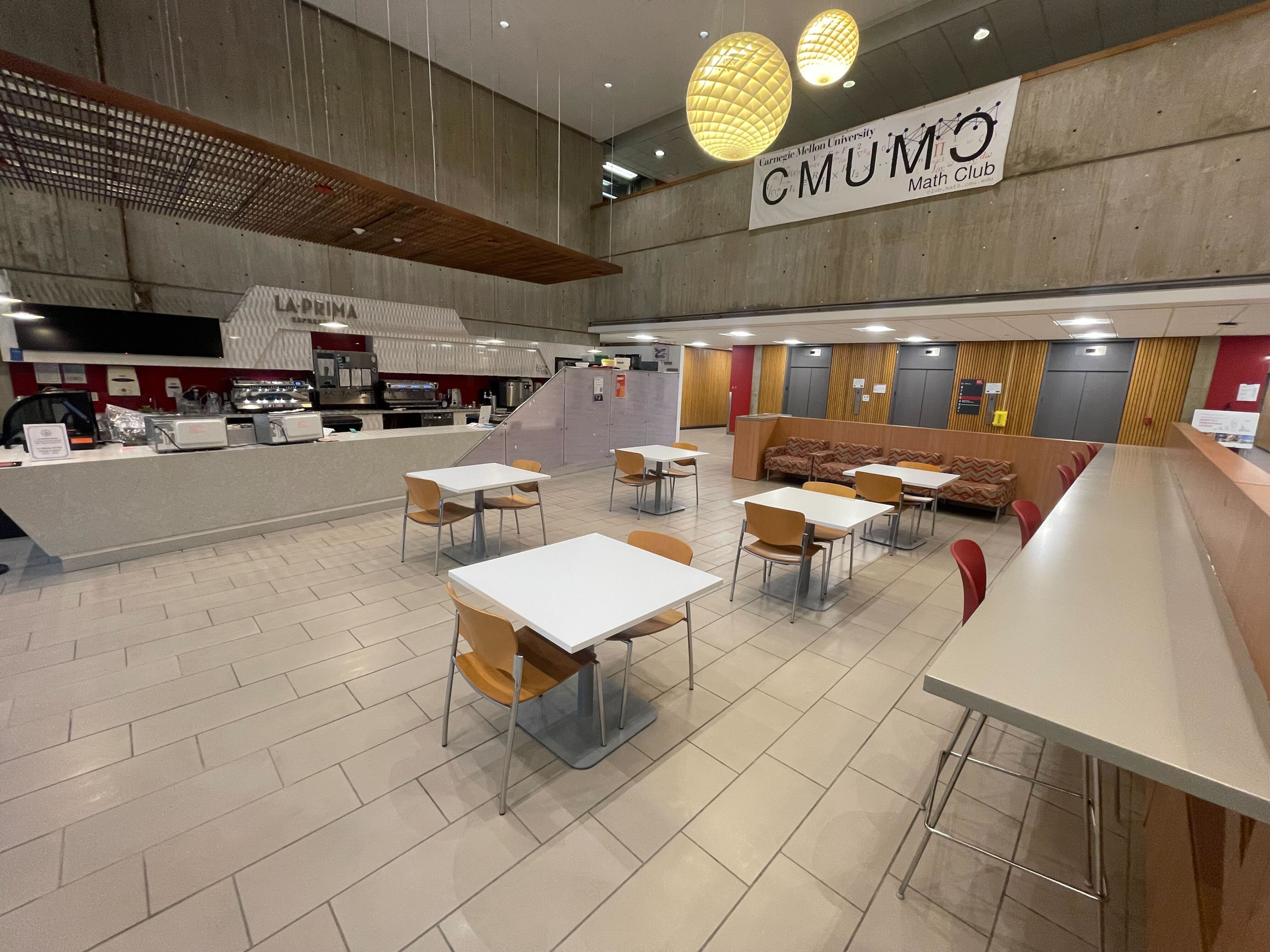
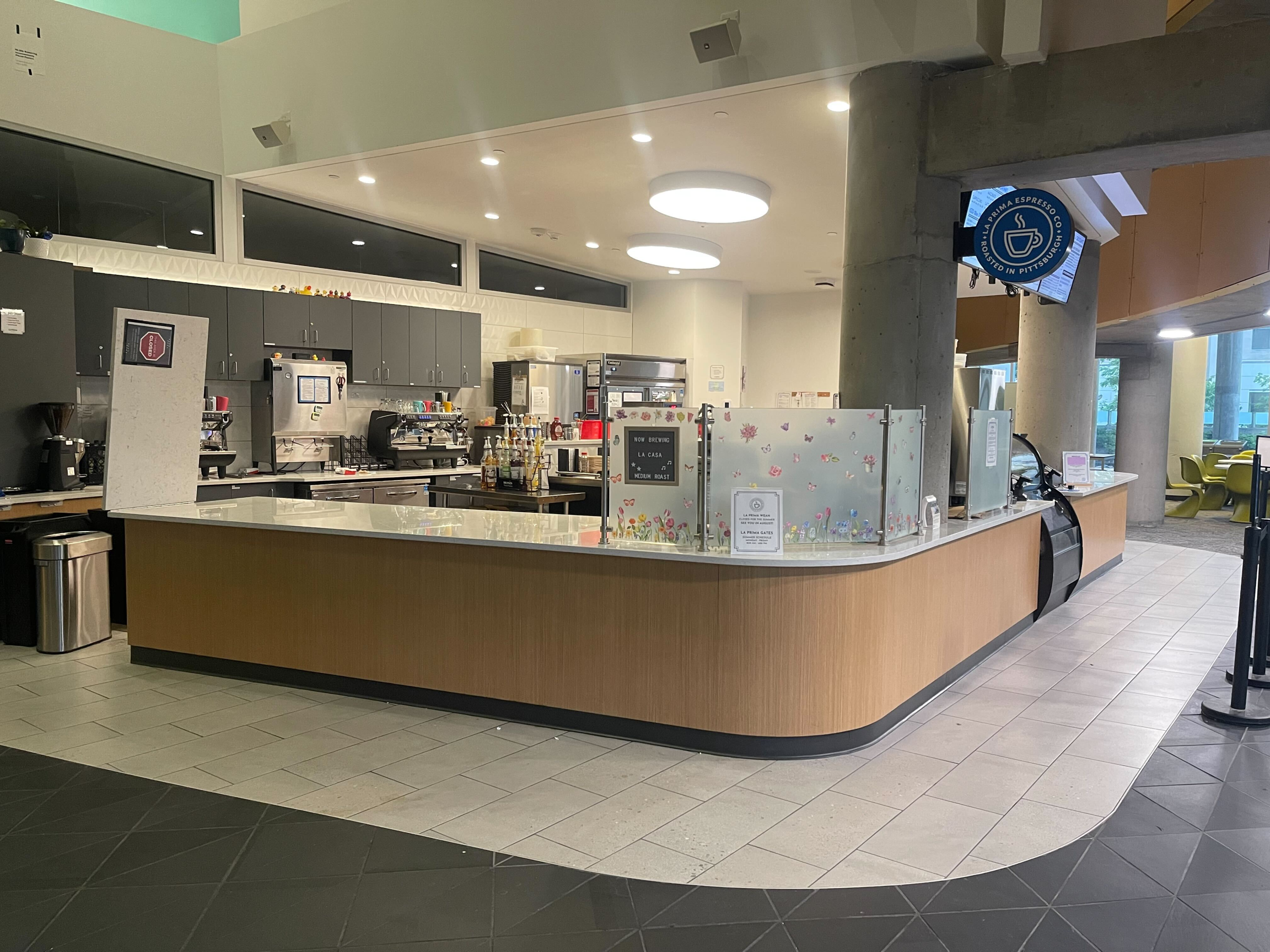
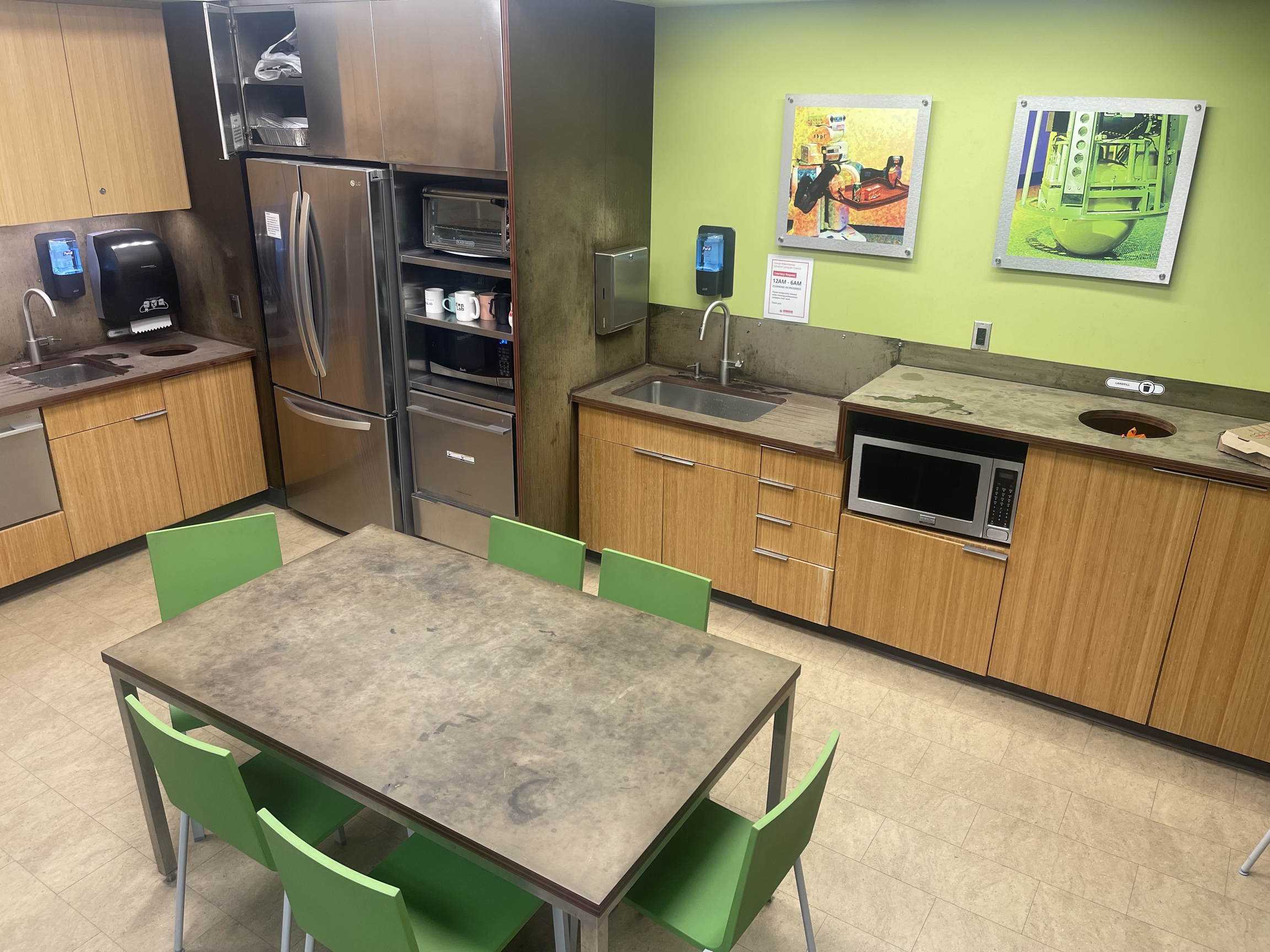
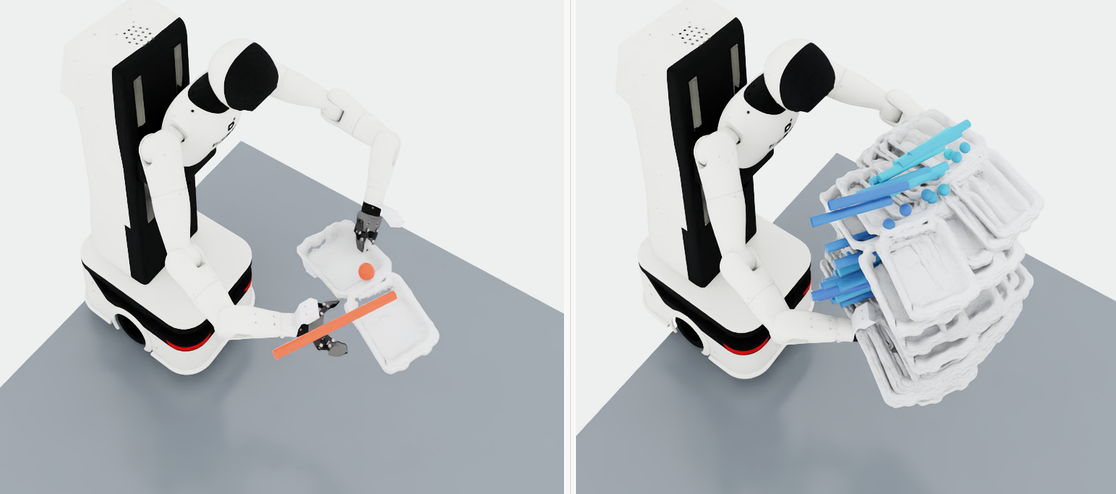
Five long-horizon mobile-manipulation tasks on Agibot G1, each learned from a single human demonstration. Browse autonomous real-world rollouts across spatial configurations and scenes.
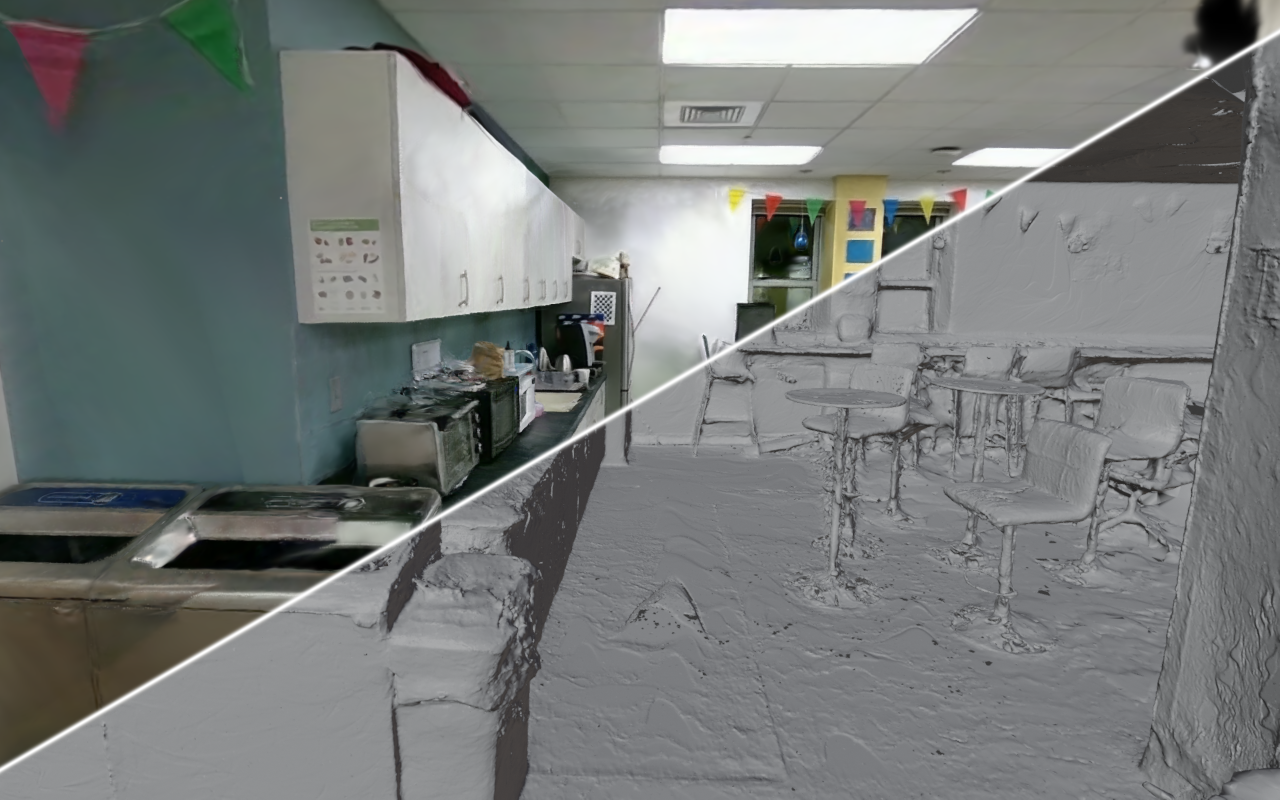
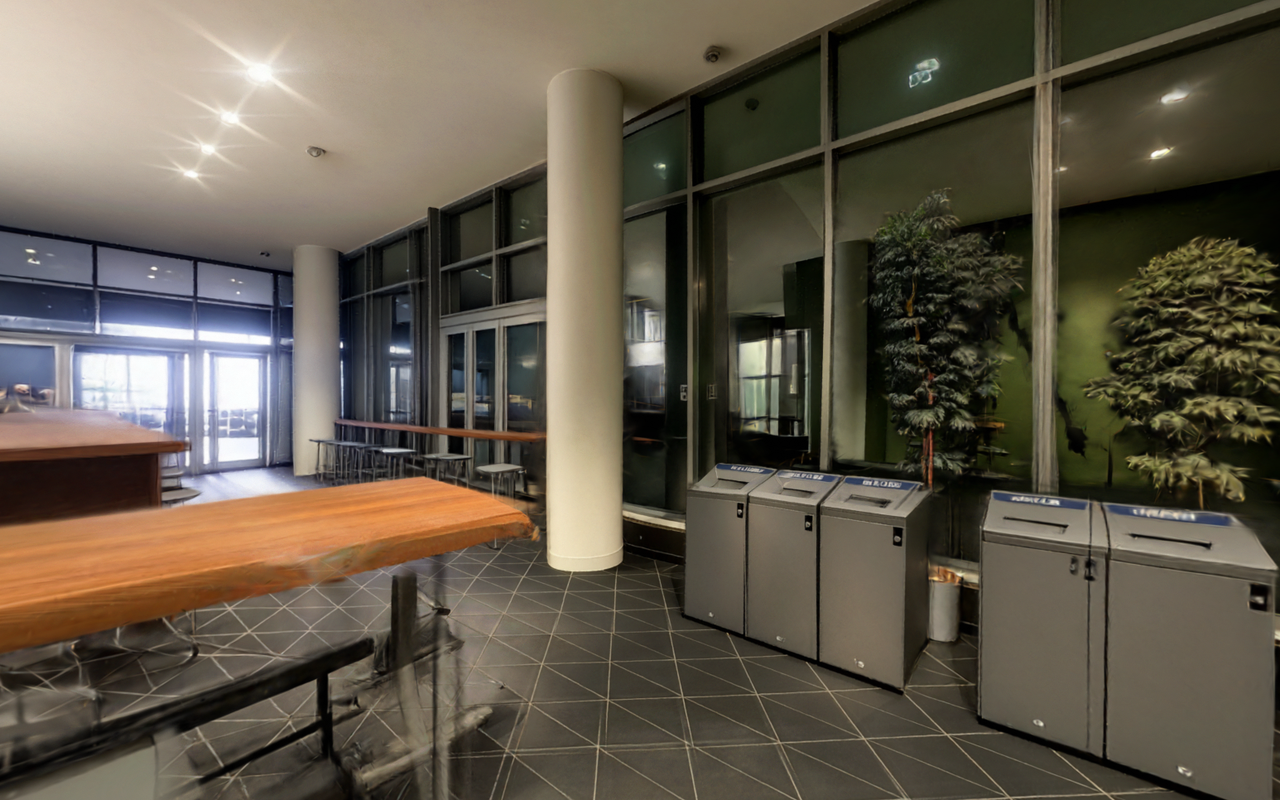
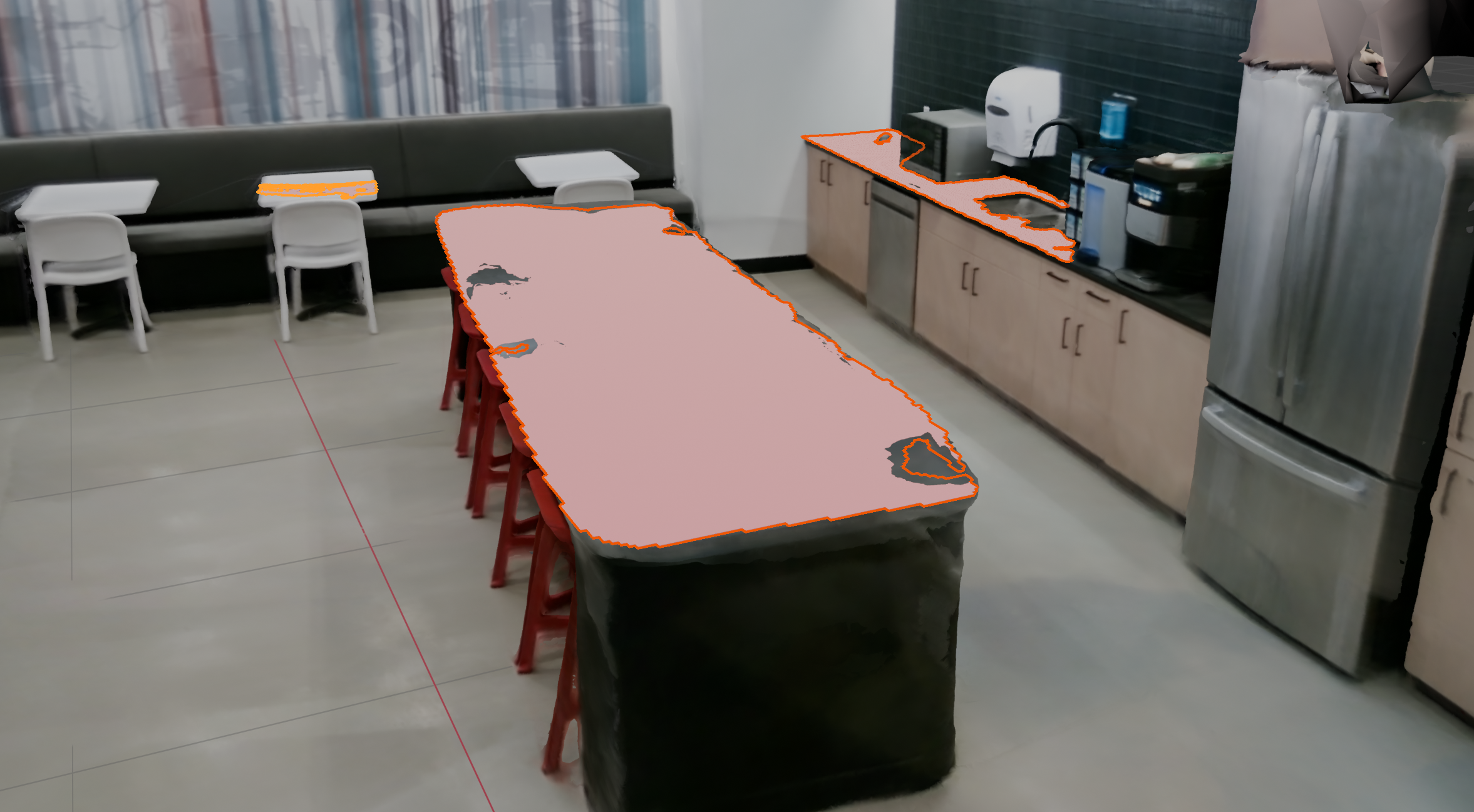
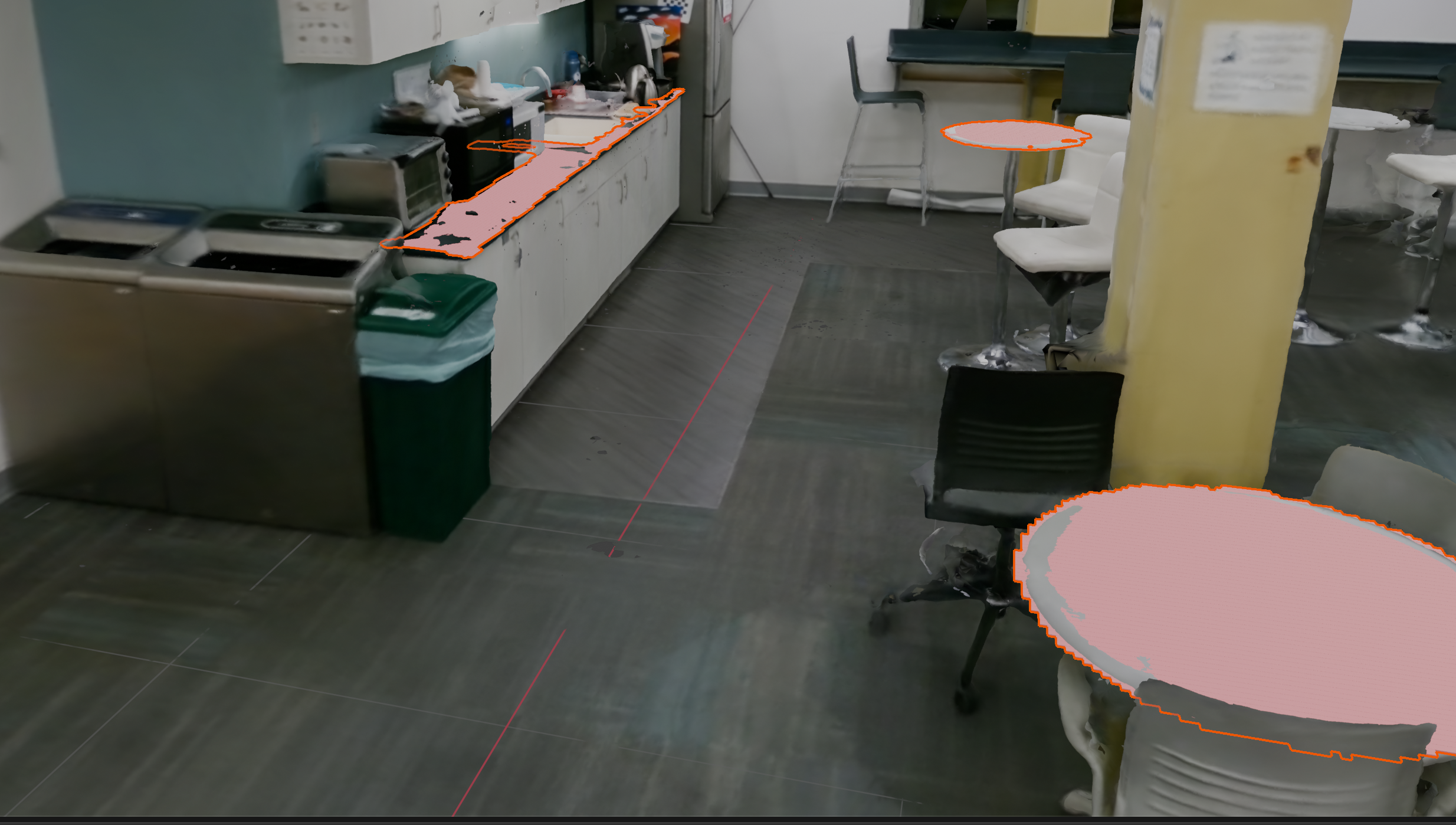
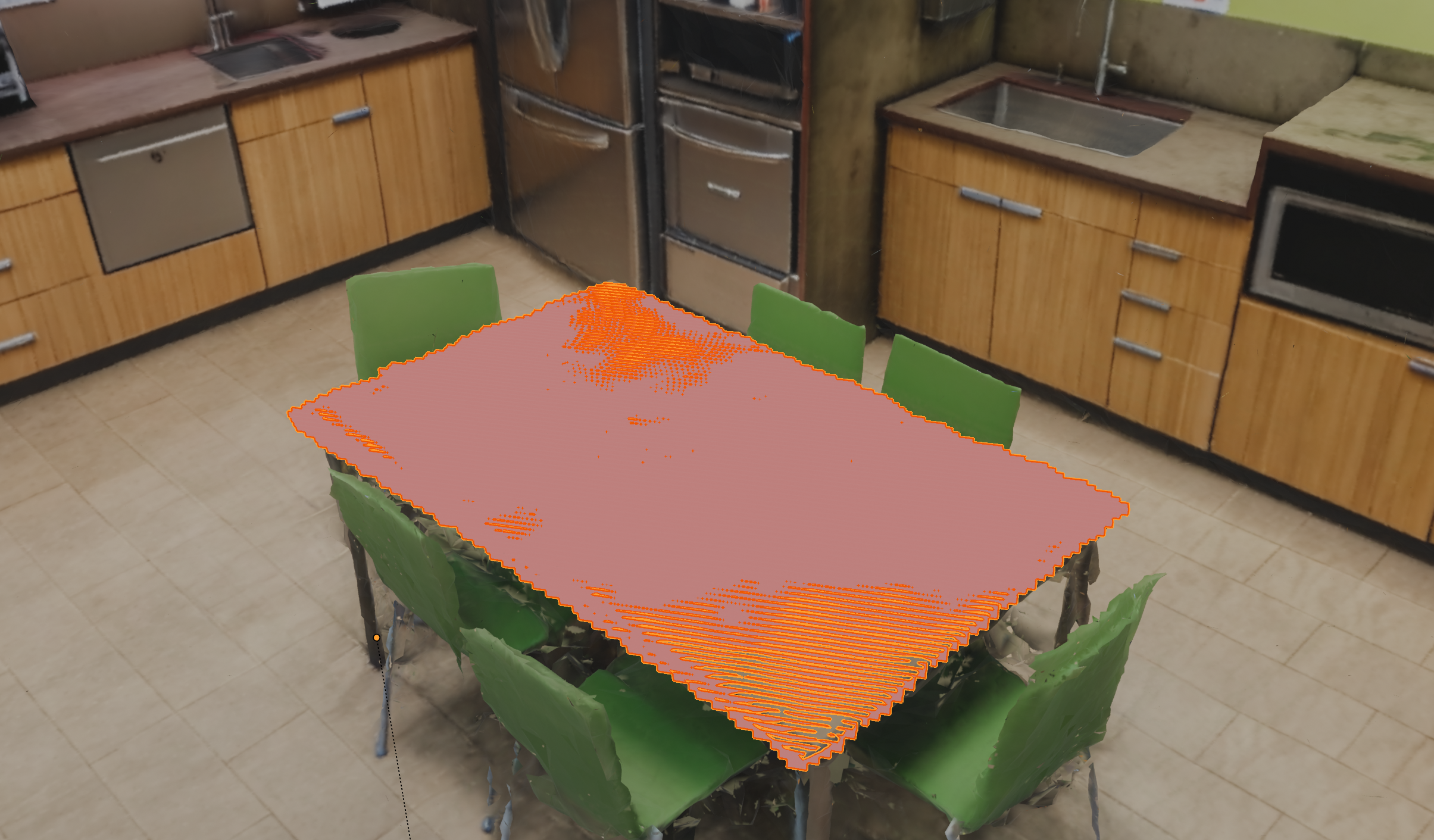
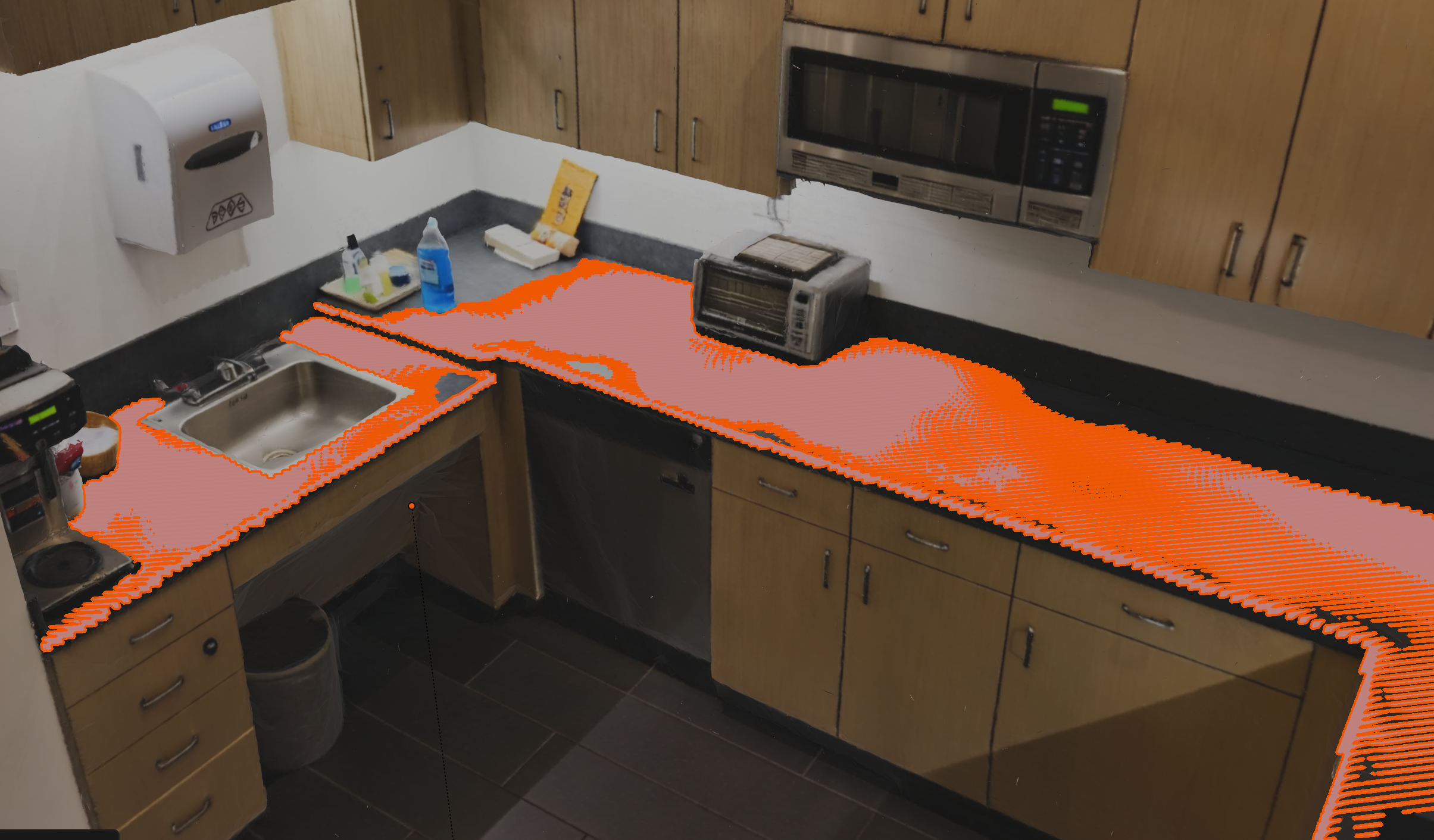
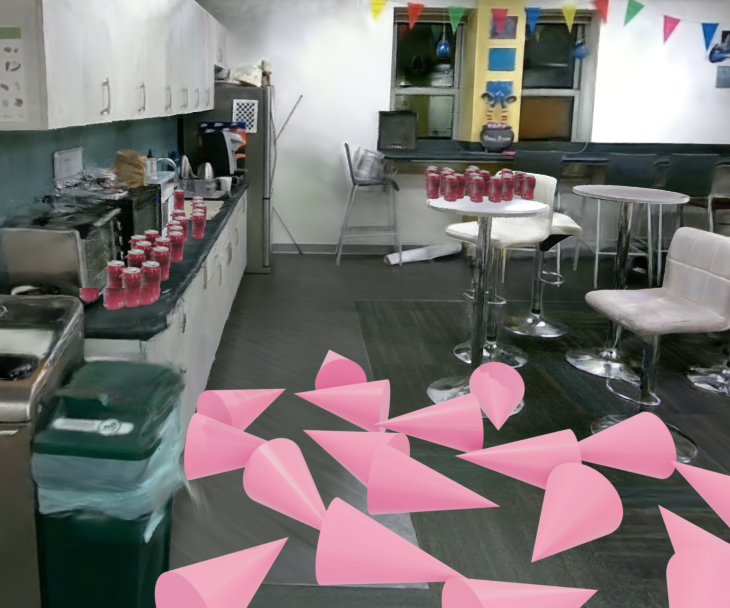
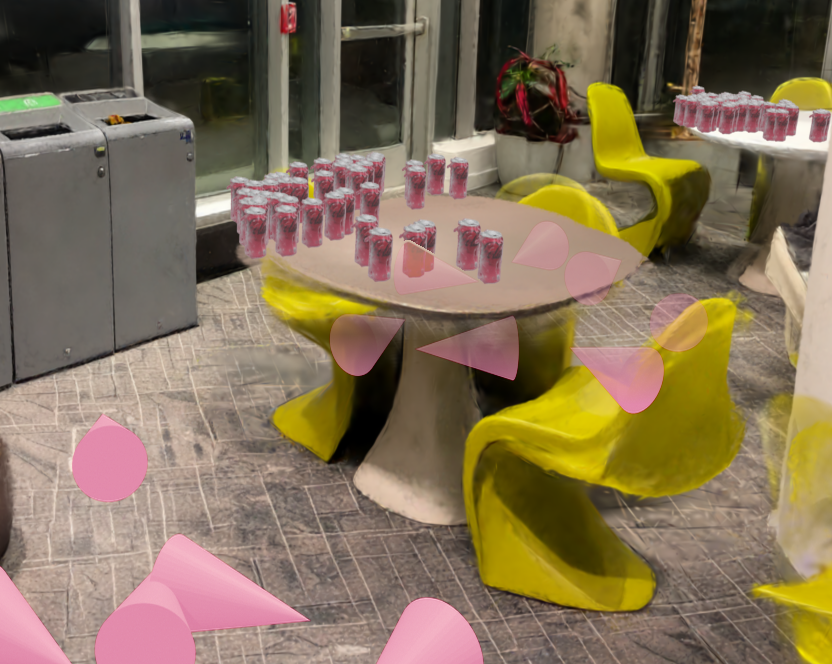
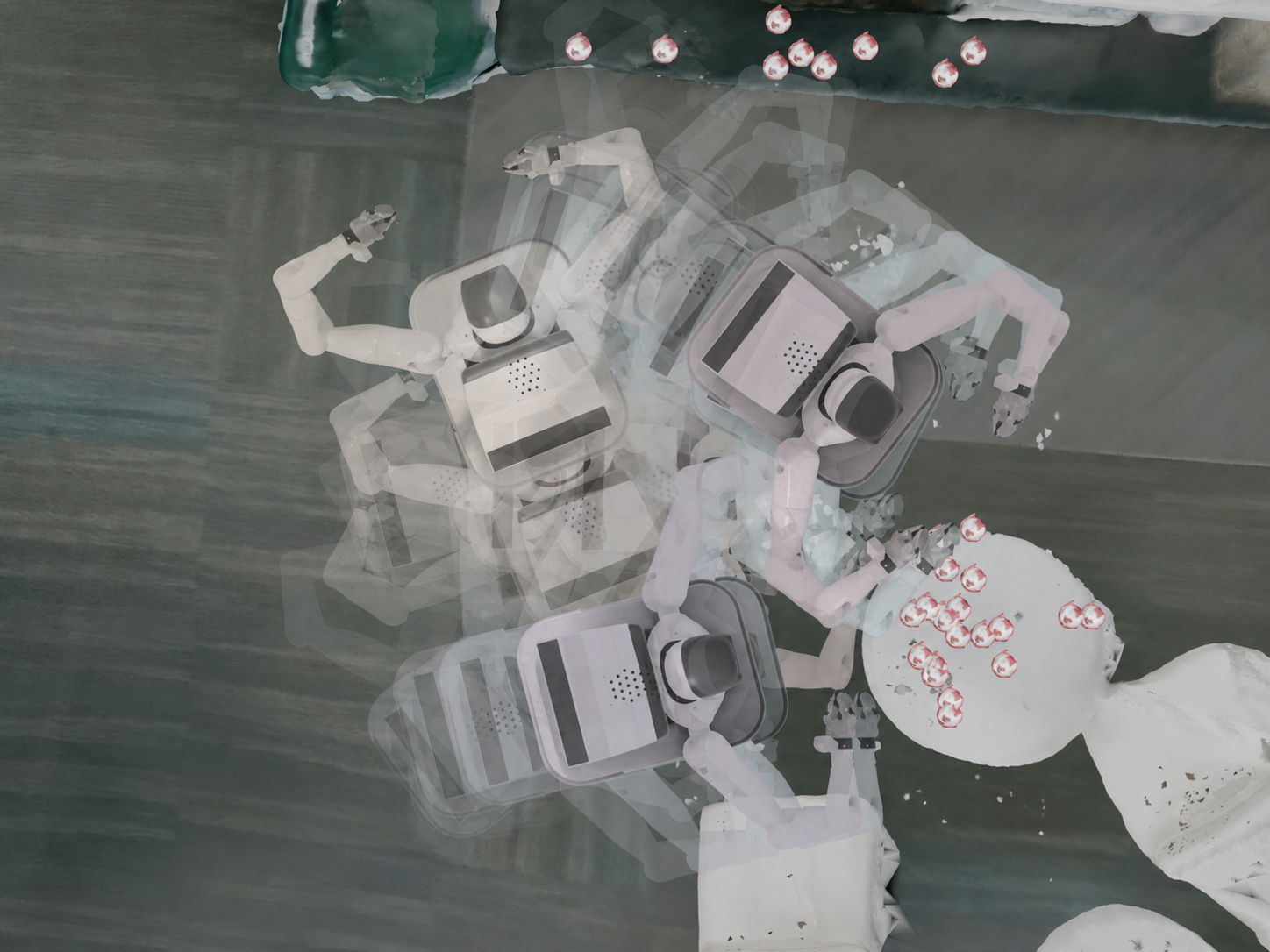
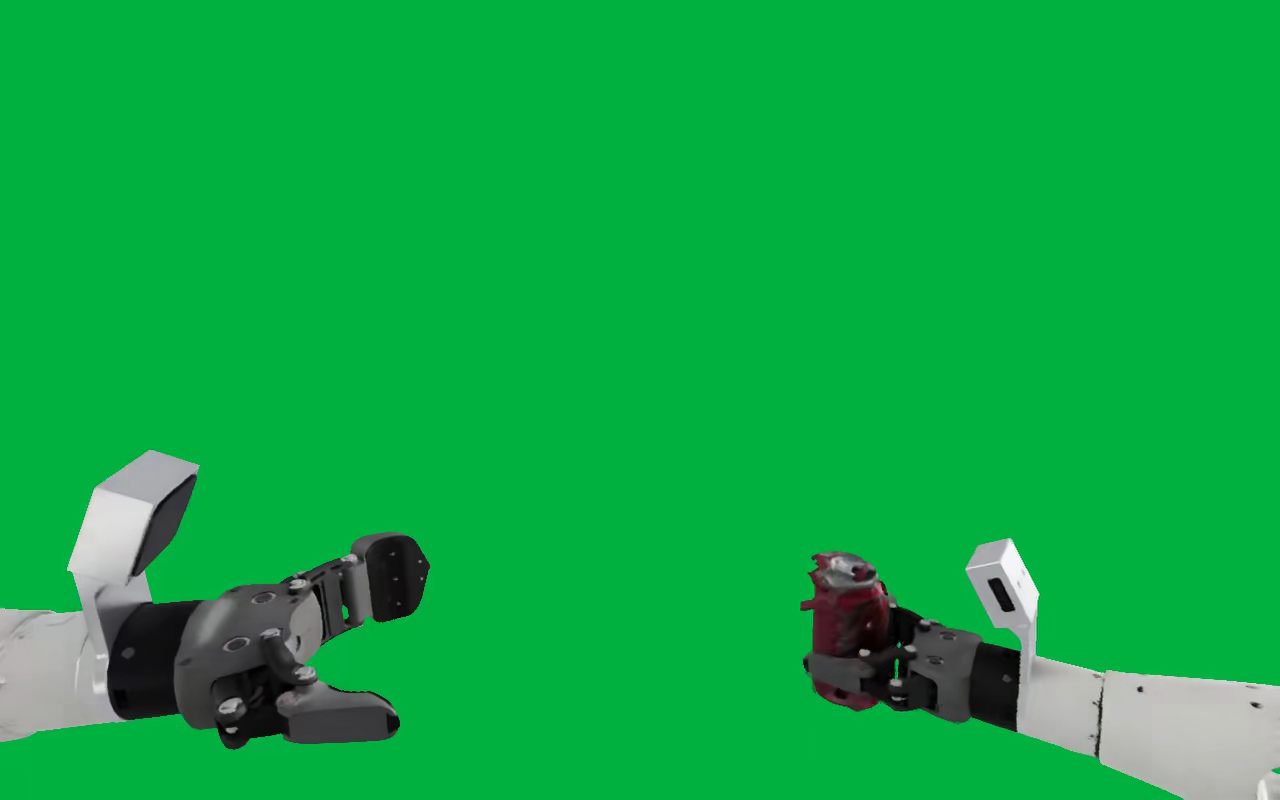
Open each task scene as an interactive replay with the Gaussian-splat background, moving objects, and robot trajectory. Source and generated demonstration videos are shown below the task scenes.
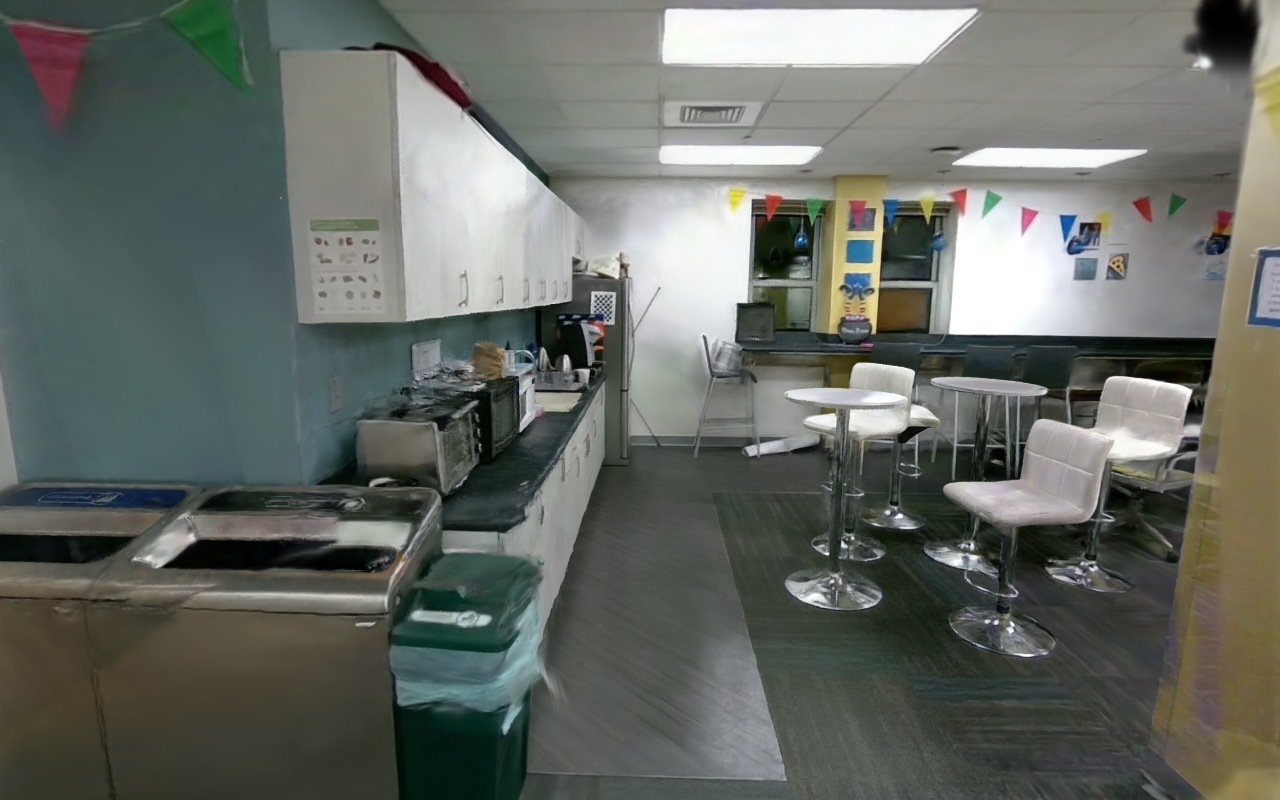
Background Gaussian splats are reconstructed with MAtCha from the single demonstration.
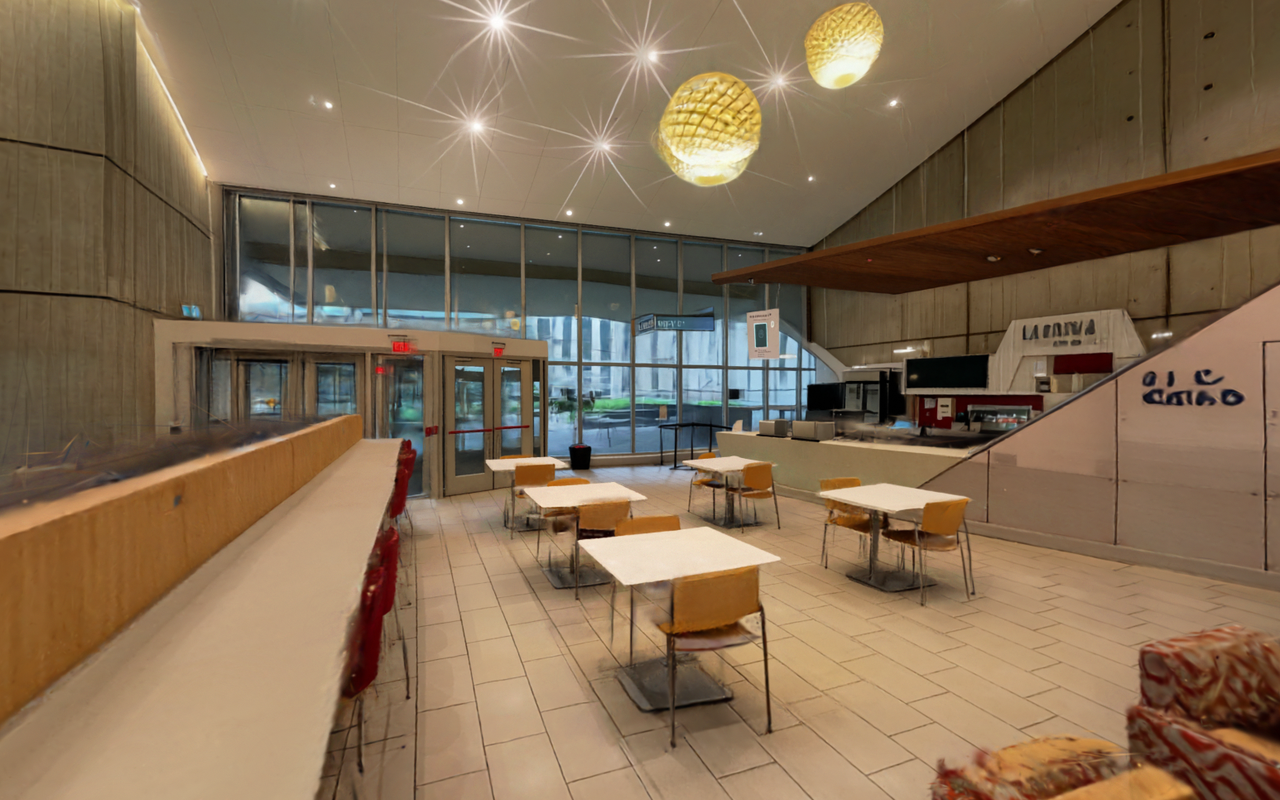
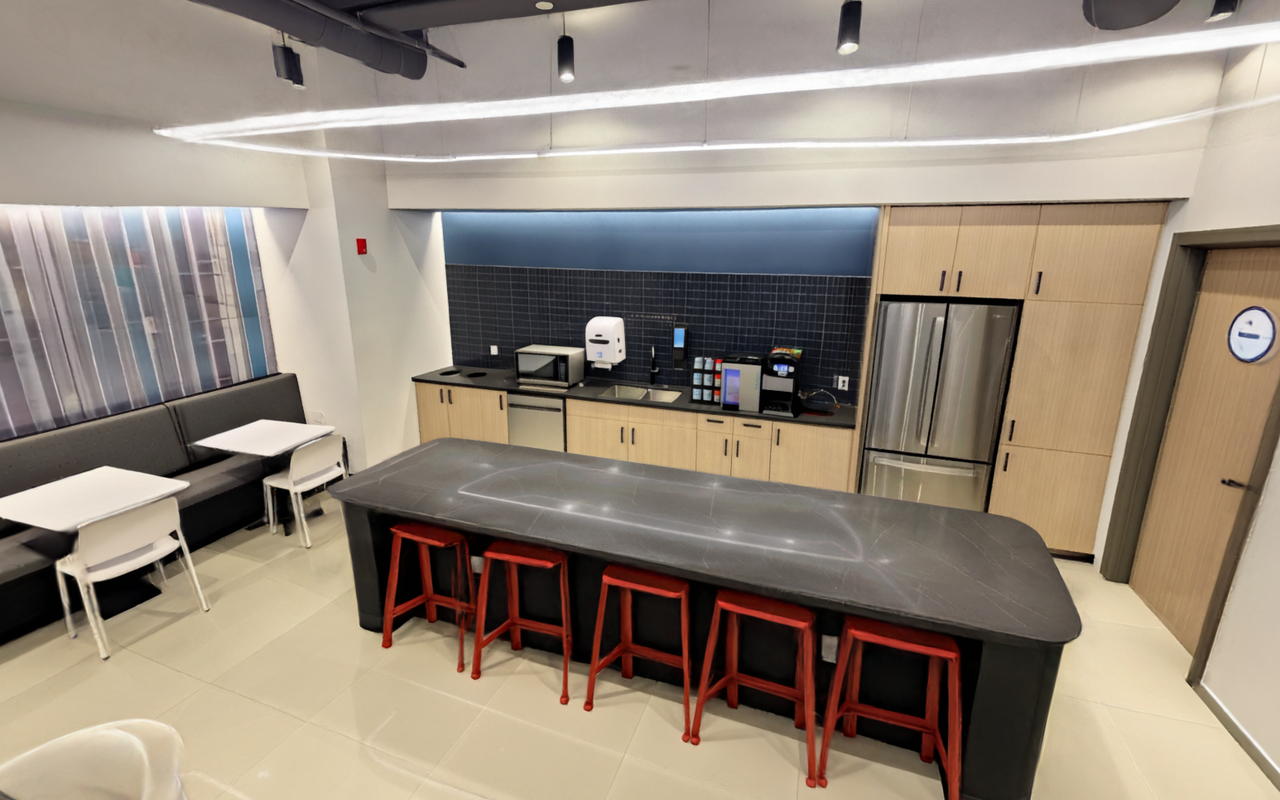
Background Gaussian splats are generated by Marble from one input photograph.
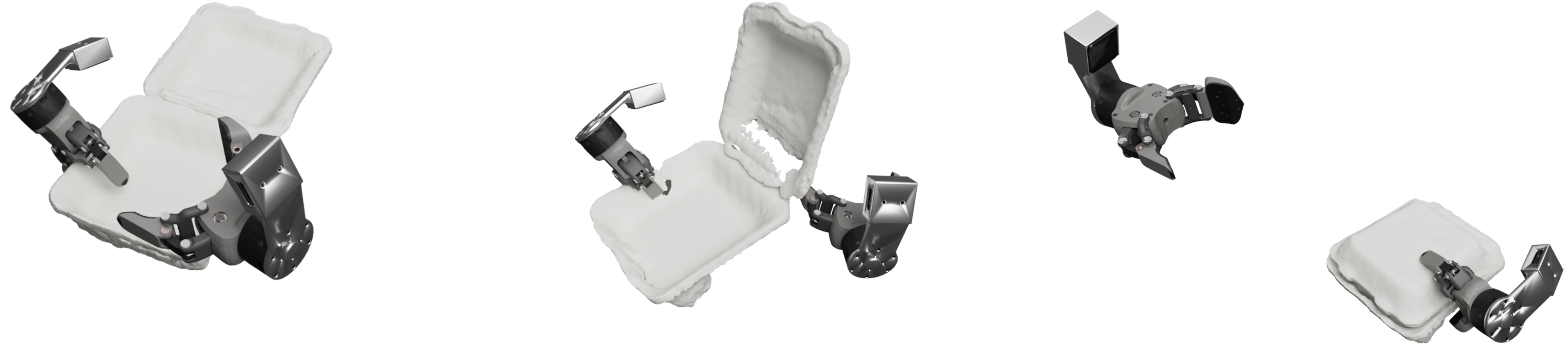
Object geometry is reconstructed using a refined BundleSDF pipeline.
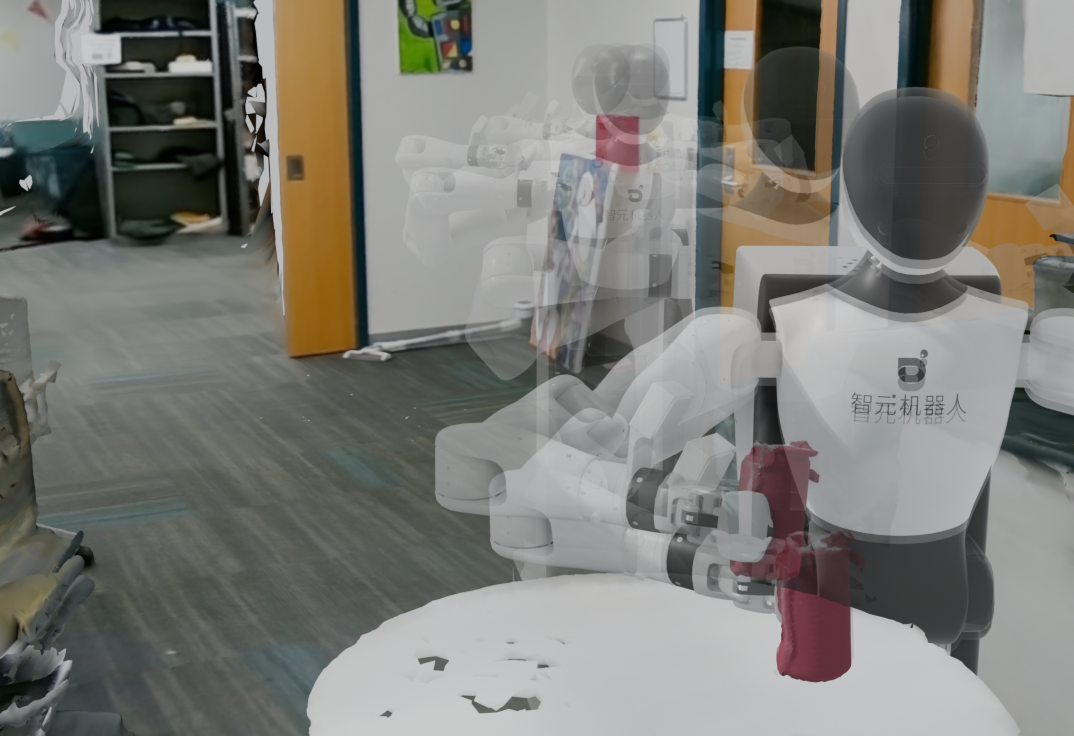
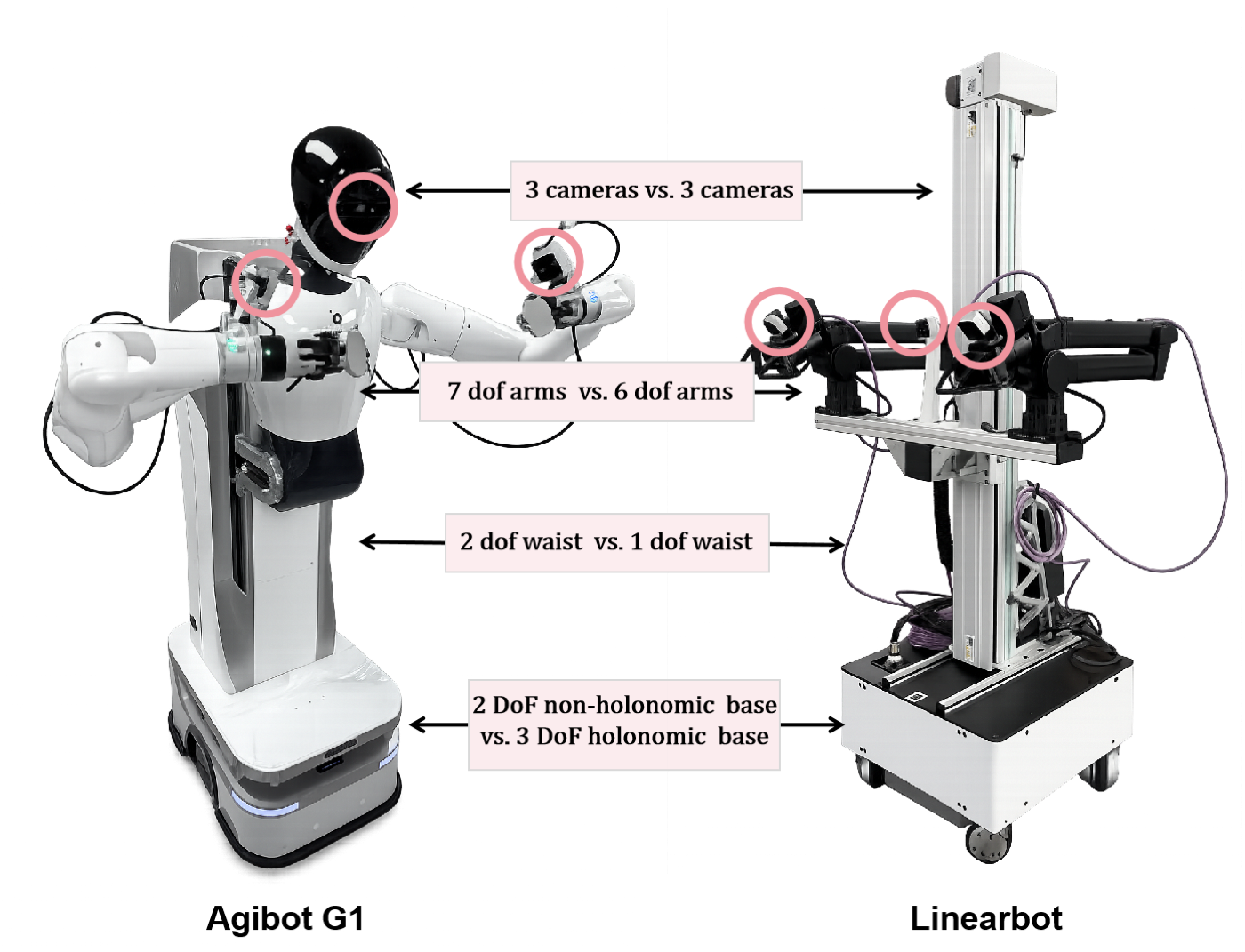
WANDA reuses the same reconstructed world across robot embodiments. From one Agibot G1 Drop Trash demonstration, it generates Linearbot trajectories and deploys the policy zero-shot on a physical Linearbot with different kinematics and camera poses.
WANDA does not copy joint motion. It re-plans whole-body trajectories for the new robot in the same world, then renders observations from that robot's camera viewpoints.
A demonstration is more than pixel-action pairs to imitate. As the robot moves, its cameras observe the scene: one demo contains enough signal to rebuild the world around the task.
Instead of treating the demo only as action labels, WANDA uses it to recover the scene, object motion, and contact-rich interaction. That recovered world becomes the substrate for generating more training data.
Robot data has been priced in human hours. WANDA prices it in compute.
Teleoperation scales with human effort. WANDA keeps the human input fixed at one demonstration, then uses reconstruction, generation, planning, and rendering to scale the dataset.
WANDA turns a single demonstration into diverse mobile-manipulation data through reconstruction, diversification, and corrective expansion.
Recover the scene representation, object geometry, and 6D object trajectories from the source demonstration.
Instantiate the recovered interaction across sampled spatial configurations and photo-generated scenes.
Apply Corrective State Expansion to sample off-demonstration states and train recovery behavior.
π0.5 fine-tuned only on WANDA-generated data, evaluated on physical robots and long-horizon simulation benchmarks. Every WANDA result starts from one demonstration.
Real world · progress score over 10 trials · Agibot G1 · five long-horizon tasks
Corrective State Expansion improves average real-world progress from 15.7% to 54.8% by training the policy on recovery states it encounters during execution.
Data efficiency · BEHAVIOR Challenge Q-score · 3-minute task
One demo expanded by WANDA outperforms π0.5 trained on 50 teleoperated demos. On Bigym, one demo is close to training on the full source set.
Cost · wall-clock hours per 1 h of data · shorter is better
Factorized rendering generates one data-hour in about 3 GPU-hours, using less GPU time than MoMaGen and avoiding repeated teleoperation for each data-hour.
Learning open-world mobile manipulation needs vast data for spatial generalization, long-horizon robustness, and scene generalization. We maximize the value of a single demonstration with a synthetic data engine.
Teleoperation and UMI require substantial human effort at scale. We introduce WANDA: learning open-World mobile mANipulation from one demonstration via a synthetic DAta engine. WANDA reconstructs background Gaussian splats and robot–object interaction trajectories from source RGBD observations as a world substrate, rearranges contact-rich interaction segments into extensive spatial configurations, and chains them with whole-body motion planning. Corrective State Expansion increases state diversity for long-horizon robustness, while trajectories are synthesized on diverse generated 3D worlds from everyday photos for cross-environment generalization. Photo-realistic observations are produced by compositing rendered robot and object meshes with Gaussian splatting backgrounds. Across simulation and real-world tasks, policies trained with WANDA achieve long-horizon robustness, broad spatial generalization, and cross-environment generalization from a single real demonstration — and naturally support cross-embodiment data generation, validated by zero-shot deployment on a distinct mobile manipulator.
WANDA handles rigid and articulated objects — reconstruction tracks 6D part poses and replays them — so cloth and fluids are replayed as demonstrated rather than physically modeled. Because WANDA is a multi-stage engine, reconstruction or planning errors can propagate downstream.
Contact-rich interaction is still provided by the single source demonstration. Future systems could replace full robot teleoperation with lighter sources such as UMI-style grippers or human video.
@article{guo2026wanda,
title = {Worlds in One Demo: A Synthetic Data Engine for
Learning Open-World Mobile Manipulation},
author = {Guo, Lingxiao and Li, Huanyu and Shi, Guanya},
year = {2026}
}